Vitamin B and Neuropathy: What Actually Helps, and What Just Sounds Good
Which B vitamins actually help neuropathy?
For vitamin B and neuropathy, three matter most: B12 as methylcobalamin maintains the myelin sheath, B1 as benfotiamine reaches nerve tissue and limits AGE damage, and B6 supports nerve signalling but has a firm upper limit. Results are best when a real deficiency is corrected. These vitamins support nerves; they do not cure.
- B12 (methylcobalamin) helps maintain myelin, the nerve's protective sheath.
- B1 (benfotiamine) reaches tissue far better than plain thiamine.
- B6 helps nerve signalling — but respect its upper limit.

The link between vitamin B and neuropathy is one of the few places in supplement marketing where the hype and the science partly overlap — which is exactly why it is worth getting right. B vitamins genuinely matter for nerves, but not all of them, not in every form, and not in the "megadose everything" way the ads imply. This guide explains what the B-vitamin trio actually does for your nerves, where the evidence is strong and where it thins out, and how to choose a formula without wasting money or, in one specific case, doing harm.
The honest headline first: B vitamins support nerve health, and correcting a true deficiency can meaningfully improve symptoms — but supplements are not a cure, and if your nerve issue is not driven by a shortfall, adding more vitamin will not manufacture a benefit out of nothing.
Vitamin B and neuropathy: why B vitamins matter for nerves
Nerves are metabolically demanding tissue, and several B vitamins are cofactors in the reactions that keep them running and insulated. Three carry essentially all of the nerve-relevant evidence: thiamine (B1), pyridoxine (B6) and cobalamin (B12). The rest of the B family has jobs elsewhere in the body but little specific standing in the nerve literature, so a label boasting "all eight B vitamins" is padding a résumé more than building a nerve formula.
The single most important idea in this whole topic is deficiency. Where a nerve problem is driven by a genuine, prolonged shortfall of one of these vitamins — B12 most of all — repletion addresses the actual cause, and that is where B vitamins produce their clearest results. Where there is no deficiency, the effect is smaller and less predictable. That is why testing before supplementing is not bureaucratic caution; it is the difference between fixing a cause and hoping for one.
Vitamin B12: the myelin vitamin
If one B vitamin owns the nerve conversation, it is B12. Vitamin B12 is required to build and maintain myelin, the fatty sheath that insulates nerve fibres and lets signals travel cleanly. When B12 runs short for long enough, myelin maintenance falters, and the classic consequences — numbness, tingling, pins-and-needles, often starting in the feet — are a recognised feature of B12-deficiency neuropathy.
Two practical points decide whether a B12 supplement is worth anything. First, the form. Methylcobalamin is the active, body-ready form; the cheaper cyanocobalamin must be converted before use, a step that is less efficient in many older adults. For a vitamin whose entire value here is reaching the nerves, paying for the active form is a small price. Second, absorption. The body absorbs only a limited fraction of B12 from a pill, and that fraction shrinks with age and with common medications such as metformin and long-term acid reducers. That is why supplement doses look enormous next to the roughly 2.4 microgram daily requirement — the surplus compensates for poor uptake, and because excess B12 is generally excreted, it carries no established upper limit.
The caveat worth stating plainly: B12 shines when there is a deficiency to correct. If your B12 is already normal, more of it is unlikely to transform nerve symptoms, which is why we keep returning to the value of a blood test.

Want the B-vitamin actives in one daily capsule?
Quiet Nerves is a nerve-support formula taken once a day, backed by a 60-day money-back guarantee — a low-risk way to run a fair testing window. Check the current official-store pricing and the full refund terms before you decide.
See Quiet Nerves Pricing & GuaranteeVitamin B1 (thiamine) and the case for benfotiamine
Thiamine matters for nerves too, but plain thiamine has a problem: it is water-soluble and poorly retained, so much of a big oral dose is simply lost. This is where benfotiamine comes in — a fat-soluble derivative of B1 that is absorbed and held in tissue far more effectively, with studies reporting substantially higher levels than plain thiamine achieves.
Benfotiamine's most-studied mechanism is limiting the formation of advanced glycation end-products (AGEs) — a type of molecular damage that accelerates when blood sugar runs high and that is implicated in diabetic nerve stress. By supporting a pathway that helps process excess glucose, benfotiamine is studied specifically for its role in that setting. As with everything on this page, "studied for" is not "cures," but the mechanism is real and the form is a genuine upgrade over the plain thiamine most cheap formulas use. Where a label just says "thiamine," benfotiamine is the word to look for instead. We go deeper on protocol and evidence in our dedicated guide to benfotiamine for nerve damage.
Vitamin B6: helpful in the right amount, harmful in the wrong one
Vitamin B6 (pyridoxine) supports the enzymes involved in nerve signalling and neurotransmitter production, and a genuine B6 deficiency can itself cause nerve symptoms. So far, so much like the others. But B6 comes with a warning the others do not, and it is the single most important safety point in this article.
Too much B6 can cause neuropathy rather than relieve it. Chronically high doses of supplemental B6 — sustained intakes well above the established upper limit — are a recognised cause of a sensory nerve problem that can mimic the very symptoms people take it to address. The upper limit for adults is set at 100 mg per day from all sources, and problems have been reported with prolonged intake above that. The lesson is not "avoid B6"; it is "respect the ceiling." A good formula includes a modest, sensible amount of B6, not a megadose — and if you are stacking several products, add up the B6 across all of them. We cover the numbers and the safety margins in detail in our breakdown of vitamin B6 for neuropathy: dose and safety.
Is a B-complex better than single B vitamins?
For most people, yes — with conditions. The nerve-relevant B vitamins work together, and a single well-formulated B-complex delivers B12, B1 and B6 in one convenient dose, which most people will actually take consistently. Consistency matters, because none of these vitamins does anything useful taken once.
The conditions are all about quality: the complex should use methylcobalamin rather than cyanocobalamin, benfotiamine rather than plain thiamine, and a B6 dose kept well within the safe limit. A single B vitamin makes more sense in one situation — when a blood test has identified a specific deficiency (most often B12) that needs targeted, higher-dose correction under a clinician's guidance. For general nerve support, the complex is the practical choice; for a diagnosed shortfall, the single nutrient is the precise one.
Three myths about B vitamins and nerves
Myth 1: "If some B is good, more is better." B6 is the clean counterexample: beyond its ceiling it flips from helpful to harmful. Even for the vitamins without a hard upper limit, megadosing past absorption simply wastes money. Sensible amounts of the right forms beat heroic numbers.
Myth 2: "B vitamins fix any neuropathy." They shine when a deficiency is the cause. Nerve symptoms have many drivers, and where a B shortfall is not one of them, repletion is not a cure — which is the honest reason to test rather than guess.
Myth 3: "The form on the label doesn't matter." It matters more here than almost anywhere. Cyanocobalamin versus methylcobalamin, plain thiamine versus benfotiamine — same vitamin names, meaningfully different delivery. A formula that chooses the active forms is telling you it was built for the nerves, not the margin.
How to choose a complete nerve formula
Put the trio together and a good nerve-support formula looks like this: active-form B12 (methylcobalamin), B1 as benfotiamine, a modest and clearly stated dose of B6, and ideally some of the non-vitamin actives that support the same tissue — alpha-lipoic acid chief among them. Quiet Nerves sits in this combination lane, pairing its actives into a single once-daily capsule with a 60-day money-back guarantee that lets you test it at low risk. As always, the fair questions to ask any combination product are which forms it uses and whether each amount is disclosed — the same lens we apply across the category in our roundup of the best vitamins for nerves, ranked, and in our broader guide to supplements for nerve repair.
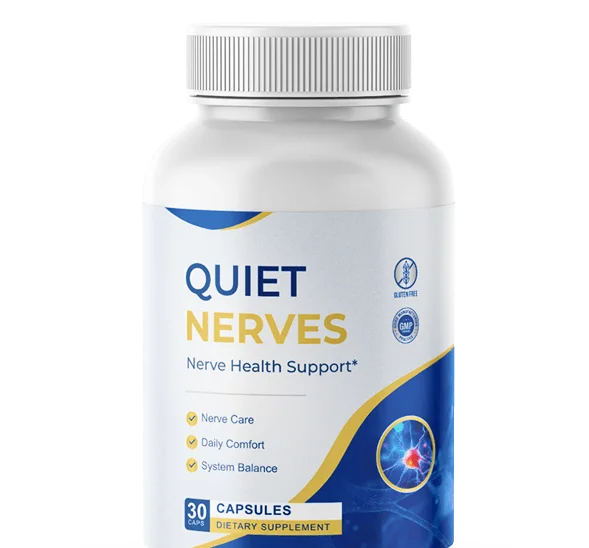
Nerve-support actives, one capsule a day
Quiet Nerves combines its ingredients into a single daily capsule, 30 to a bottle, with 60 days to decide. See today's official-store pricing and full refund terms.
Order Quiet Nerves From The Official StoreFrequently asked questions
Which B vitamins are best for neuropathy?
The three that matter most are B12, B1 and B6. B12 as methylcobalamin helps maintain myelin, the protective sheath around nerves; B1 as benfotiamine reaches nerve tissue far better than plain thiamine and helps limit AGE formation; and B6 supports nerve signalling but has a firm upper limit. The best results come when a genuine deficiency is corrected. As a group these vitamins support nerve health rather than cure any condition.
Can a vitamin B deficiency cause nerve damage?
Yes. A genuine, prolonged deficiency of vitamin B12 in particular is a recognised cause of nerve symptoms such as numbness and tingling, because B12 is needed to maintain the myelin sheath. Thiamine (B1) deficiency can also affect nerves. This is why deficiency-driven neuropathy tends to respond best to repletion — restoring the missing vitamin addresses the actual cause. Testing for deficiency before supplementing is the sensible first step.
Is a B-complex better than single B vitamins for nerves?
For most people a well-formulated B-complex is more practical, because the nerve-relevant B vitamins work together and a complex covers B12, B1 and B6 in one dose. The key is the forms and amounts: look for methylcobalamin rather than cyanocobalamin, benfotiamine rather than plain thiamine, and a B6 dose kept well within safe limits. A single B vitamin makes sense mainly when a specific deficiency has been identified.
How much vitamin B12 do nerves need?
The daily requirement for adults is only about 2.4 micrograms, but supplements often provide far more because B12 absorption from pills is limited and falls further with age. Higher supplemental doses are commonly used to ensure enough is absorbed, and B12 has no established upper limit because excess is generally excreted. If deficiency is suspected, confirm it with a blood test and discuss dosing with your clinician.
References
- NIH Office of Dietary Supplements — Vitamin B12: Fact Sheet for Health Professionals
- NIH Office of Dietary Supplements — Vitamin B6: Fact Sheet for Health Professionals (upper limit 100 mg/day; sensory neuropathy from excess)
- NIH Office of Dietary Supplements — Thiamin: Fact Sheet for Health Professionals
- Balakumar P et al. The multifaceted therapeutic potential of benfotiamine. Pharmacol Res
- Vrolijk MF et al. The vitamin B6 paradox: supplementation with high concentrations of pyridoxine leads to decreased vitamin B6 function. Toxicol In Vitro