Magnesium and Neuropathy: The Nerve Connection Explained
Can low magnesium cause nerve problems or tingling?
It can contribute. Magnesium keeps nerve and muscle cells electrically stable, so a genuine deficiency is linked to heightened excitability that shows up as tingling, cramps, twitches and increased sensitivity. That does not mean every tingle is magnesium, and it does not mean magnesium treats neuropathy — it means a real shortfall is one correctable factor worth checking.
- Magnesium blocks NMDA receptors and dampens over-excited nerve signaling.
- Low levels are associated with cramping, tingling and heightened pain sensitivity.
- Glycinate and L-threonate are well-absorbed; the adult RDA is 310–420 mg.

If you have gone looking for a natural way to support calmer nerves, the link between magnesium and neuropathy keeps surfacing — and for once the interest is grounded in real physiology rather than pure marketing. Magnesium is one of the most abundant minerals in the body and a direct participant in how nerves fire, settle and stay stable. This article goes past the dose mechanics we covered elsewhere and into the more interesting question: why magnesium matters for nerve signaling in the first place, what a shortfall actually does, and how to think about it as genuine support rather than a treatment.
One framing to hold onto from the start. Magnesium is nutritional support, not a drug. It does not treat, cure or reverse neuropathy, and no honest page will tell you it does. What it can do is help correct a real shortfall of a mineral your nerves depend on — and for a lot of people, intake is genuinely low. That gap is where the value lives.
Why magnesium and neuropathy are biologically linked
The connection between magnesium and neuropathy comes down to one idea: excitability. A nerve is an electrical device, and magnesium is one of the main minerals that governs how easily it fires and how promptly it calms down afterwards. Three mechanisms do most of the work.
1. Magnesium sits in the NMDA receptor gate
The NMDA receptor is a key relay in the nervous system for signaling and, importantly, for the way the body processes and amplifies pain. At rest, a magnesium ion physically plugs the channel of that receptor like a cork in a bottle, blocking it until a strong enough signal arrives. That magnesium “block” is one of the body's built-in brakes on runaway nerve signaling. When magnesium is scarce, the brake is less effective, and the receptor becomes easier to trigger — a plausible route from low magnesium to heightened sensitivity.
2. Magnesium stabilizes the cell's electrical baseline
Nerve and muscle cells hold a resting electrical charge, and magnesium works alongside calcium and potassium to maintain it. Loosely, calcium tends to excite and magnesium tends to calm. When magnesium runs low, that balance tips toward excitability — which is why deficiency is classically associated with twitches, cramps and a nervy, over-reactive feel in muscles and nerves alike.
3. Magnesium supports the energy nerves run on
Magnesium is a required cofactor for hundreds of enzymatic reactions, including the ones that produce and use ATP, the cell's energy currency. Nerves are metabolically demanding tissue, and anything that supports their energy supply supports their normal function. This is quieter than the NMDA story but no less real.

What a magnesium shortfall looks like
Here is the uncomfortable part: low magnesium intake is common. Diets heavy in refined foods, certain medications, high alcohol intake, and conditions that impair absorption can all lower status, and standard blood tests are not always sensitive to a mild shortfall because most of the body's magnesium sits inside cells and bone, not in the blood. The symptoms associated with low magnesium overlap tidily with the nerve complaints people notice:
- Muscle cramps and twitches, often in the legs and often at night.
- Tingling and a pins-and-needles feeling.
- Heightened sensitivity and a generally “wired” nervous feel.
- Restlessness and disrupted sleep.
Two cautions keep this honest. First, overlap is not proof: plenty of tingling and cramping has nothing to do with magnesium, so correcting a shortfall is one factor to check, not a diagnosis. Second, if symptoms are persistent or worsening, that is a conversation for a qualified clinician, not a supplement bottle. Magnesium's role is to remove a plausible contributor, not to stand in for a proper workup.
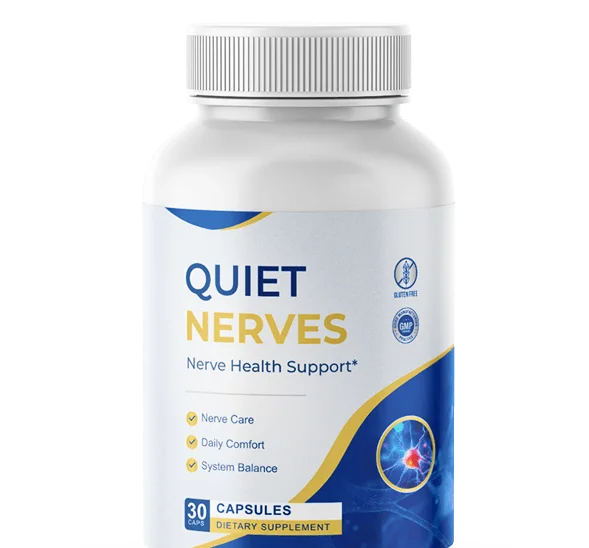
Magnesium, plus five more nerve-support actives
Quiet Nerves leads with magnesium glycinate and adds alpha lipoic acid, L-carnitine, turmeric, butcher's broom and CoQ10 in one daily capsule — with a 60-day money-back guarantee so you can read the Supplement Facts panel on the bottle before you commit.
Check Price & 60-Day GuaranteeWhich form of magnesium is best for nerves
Not all magnesium is equal, and the form on the label changes both absorption and tolerance. The mineral is always bound to a carrier, and that carrier matters.
- Magnesium glycinate (bisglycinate). Magnesium bound to the amino acid glycine. Well absorbed, gentle on the gut, and less likely to cause the loose stools that plague cheaper forms — which is why it is a popular choice for anyone taking magnesium daily. Note that it is only about 14% elemental magnesium by weight, a quirk we unpack in our detailed look at what a magnesium glycinate capsule can actually hold.
- Magnesium L-threonate. Studied for its ability to raise magnesium levels in the brain specifically, which has made it a favorite for cognitive and nervous-system support. Typically more expensive.
- Magnesium oxide. Cheap and dense in elemental magnesium, but poorly absorbed and more likely to loosen the bowels. Fine as a laxative; a weak choice for steady nerve support.
- Magnesium citrate. A reasonable, well-absorbed middle option, though it can also have a laxative effect at higher doses.
The practical takeaway: for daily nerve support, a well-absorbed organic form such as glycinate or L-threonate beats oxide, and the best form is the one you tolerate and actually keep taking. As for amount, the adult reference intake is roughly 310 to 420 mg of elemental magnesium a day counting food, with a supplement upper limit of 350 mg a day — numbers we break down further in our guide to the nutrients studied for nerve pain relief.
What to realistically expect from magnesium
Set expectations before you start, because that is where most people go wrong with this mineral. If your intake is genuinely low, correcting it can ease the cramps, twitches and nervy over-reactivity that the shortfall was contributing to — and for some people that is a noticeable difference. If your magnesium status is already fine, adding more will do little beyond, at higher amounts, loosening your stools. Magnesium is a lever that only moves when it was out of place to begin with. It is not a painkiller, it does not act quickly, and it will not undo nerve problems that have nothing to do with magnesium. Frame it as topping up a mineral your nerves rely on, give it several weeks of consistent daily use, and judge it against that modest, honest promise rather than the miracle language you will see elsewhere.
Who tends to run low in magnesium
Magnesium status is not evenly distributed. Some people are far more likely to carry a shortfall, and recognizing yourself in this list is a reason to pay closer attention to intake rather than to panic. The groups most commonly associated with lower magnesium include:
- People eating a highly refined diet. Processing strips magnesium from grains, so a diet built on white bread, packaged snacks and soft drinks tends to fall short.
- Older adults. Absorption from the gut tends to decline with age while kidney losses can rise, a combination that quietly lowers status.
- People on certain medications. Long-term use of some acid-reducing drugs and diuretics is linked to lower magnesium levels.
- Heavy alcohol users and people with gut conditions. Both increase losses or reduce absorption of the mineral.
- Anyone with high physical demands. Sweat carries magnesium out, so very active people can need more to keep pace.
If two or more of these describe you, closing the magnesium gap is one of the more sensible, low-risk moves you can make for general nerve and muscle comfort — again, as support, not as a fix for anything diagnosed.
Getting magnesium from food first
Supplements are a convenient way to close a gap, but the foundation should be the plate. Magnesium is abundant in whole foods, and leaning on them supplies the potassium, fiber and other cofactors that a capsule cannot. The richest everyday sources include:
- Leafy greens such as spinach and Swiss chard, where magnesium sits at the center of the chlorophyll molecule.
- Nuts and seeds — pumpkin seeds, almonds and cashews are standouts.
- Legumes and whole grains like black beans, edamame, oats and brown rice.
- Dark chocolate (the genuinely dark kind), a pleasant surprise on the list.
- Fatty fish such as salmon and mackerel, which pair magnesium with other nerve-relevant nutrients.
The realistic pattern for most people is food most days plus a well-absorbed supplement to cover the shortfall — taken with a meal to steady absorption and reduce the chance of loose stools, and split across the day if you are using a larger amount. Consistency beats intensity: a modest daily intake you actually keep up matters far more than an occasional big dose.
Three myths about magnesium and neuropathy
Myth 1: If some magnesium is good, more is better. No. Past your daily needs, the main thing extra magnesium reliably does is loosen your stools, and very high intakes matter especially for anyone with reduced kidney function, since the kidneys clear the excess. Meet the intake; do not chase it.
Myth 2: Magnesium is a nerve painkiller. It is not. Any benefit is tied to correcting a shortfall and supporting normal nerve signaling, not to blocking pain the way a medication does. Frame it as removing a deficiency, not as treatment, and your expectations will match reality.
Myth 3: The blood test ruled it out, so magnesium is irrelevant. Serum magnesium is a blunt instrument, because most of the body's magnesium is not in the blood. A “normal” result does not fully exclude a functional shortfall, which is one reason a modest, well-tolerated daily intake is a low-risk thing to get right regardless.
Magnesium works best as part of a stack

Nerve health is rarely a single-nutrient story, and magnesium is most useful as one lever among several. The same nerves that benefit from stable magnesium also rely on B vitamins for myelin and energy metabolism, on antioxidants like alpha lipoic acid to manage oxidative stress, and on carnitine for cellular energy transport. That is the reasoning behind a combined formula rather than a single magnesium pill: cover the shortlist together, consistently, in one daily habit. If you are weighing whole-formula options, our roundup of natural supplements studied for neuropathy is a useful companion, and the evidence-based ranking of the best vitamins for nerves covers the B-vitamin side in detail.
Quiet Nerves is built on exactly that logic. It leads with magnesium glycinate — the gentle, well-absorbed form — and pairs it with alpha lipoic acid, L-carnitine, turmeric extract at 95% curcuminoids, butcher's broom and coenzyme Q10, all in a single once-daily capsule. One honest caveat, consistent with everything we publish: the sales page does not print a Supplement Facts panel, so it does not state the milligram amount of magnesium or the other five ingredients before you buy. That is why the 60-day money-back guarantee matters — it lets you order, read the panel on the bottle, and return it if the amounts do not suit you. Bought through the official store, it is a low-friction way to put a magnesium-led nerve stack into a consistent daily routine.
Related reading
Frequently asked questions
Can low magnesium cause nerve problems or tingling?
It can contribute. Magnesium helps keep nerve and muscle cells electrically stable, so a genuine deficiency is associated with heightened excitability that shows up as tingling, muscle cramps, twitches and increased sensitivity. That does not mean every tingle is a magnesium problem, and it does not mean magnesium treats neuropathy. It means a real shortfall is one correctable factor among several worth checking, ideally with a clinician rather than by guessing.
Which form of magnesium is best for nerves?
For nerve support the well-absorbed organic forms are usually preferred over magnesium oxide. Magnesium glycinate is a popular, gentle choice that is less likely to cause loose stools, and magnesium L-threonate is studied for its ability to raise magnesium levels in the brain. Both absorb better than oxide. The best form is ultimately the one you tolerate and take consistently, at a sensible dose, as part of an adequate overall intake.
How much magnesium should I take for nerve support?
The adult reference intake is roughly 310 to 420 mg of elemental magnesium a day, counting food and supplements together, with higher figures for men. The tolerable upper limit from supplements alone is 350 mg a day for adults, and the usual sign of too much is loose stools. Aim to meet the intake mostly through food and use a supplement to close the gap rather than to pile on top of an already-adequate diet.
Does magnesium help with nerve pain at night?
Some people find an evening dose helpful because magnesium supports muscle relaxation and calmer nerve signaling, and nighttime cramps and restlessness are common complaints when intake is low. The evidence here is mixed and largely tied to correcting a shortfall rather than to magnesium acting as a painkiller. Magnesium is nutritional support, not a treatment for nerve pain, so treat any nighttime benefit as a bonus of adequate intake, not a cure.
References
- NIH Office of Dietary Supplements — Magnesium: Fact Sheet for Health Professionals
- Kirkland AE et al. The role of magnesium in neurological disorders. Nutrients, 2018
- Slutsky I et al. Enhancement of learning and memory by elevating brain magnesium (L-threonate). Neuron, 2010
- Firoz M, Graber M. Bioavailability of US commercial magnesium preparations. Magnes Res, 2001
- Gröber U et al. Magnesium in prevention and therapy — overview of magnesium physiology and the NMDA receptor block

Give a magnesium-led nerve stack a fair trial
See current official-store pricing, multi-bottle cost per serving, and the full 60-day money-back terms in one place.
Order Quiet Nerves From The Official Store