Alpha-Lipoic Acid Neuropathy Dosage: The Dose, the Timeline, and the Real-World Results
How much alpha-lipoic acid should you take for neuropathy?
Most oral trials use 600 mg of alpha-lipoic acid a day. A sensible routine is to start at 300 mg to check tolerance, titrate to 600 mg, and take it on an empty stomach. Symptom changes usually begin around five weeks. It supports nerve comfort; it is not a cure.
- Clinically studied dose: 600 mg/day (start 300 mg, titrate up).
- A 2026 meta-analysis of 15 RCTs found Total Symptom Score improved 2.45 points versus placebo.
- Oral results emerge in roughly five weeks; nerve-conduction changes take months.

If you have spent any time researching alpha-lipoic acid neuropathy protocols, you have probably hit the same wall of vague advice: "take an antioxidant, be patient, results vary." That is not a protocol. It is a shrug. This guide replaces the shrug with the numbers people actually search for — the dose that has been tested in humans, the week most people first notice a change, and the ceiling past which you are buying side effects instead of benefit. Alpha-lipoic acid is one of the most-studied nerve-support compounds on the shelf, and unlike a lot of what gets sold for nerves, the evidence behind it is specific.
None of what follows is a promise of a cure, and none of it replaces your own clinician. What it does is give you a framework precise enough to judge any alpha-lipoic acid product — including how a multi-ingredient formula like Quiet Nerves does, and does not, fit an evidence-based routine.
What alpha-lipoic acid actually does in the body
Alpha-lipoic acid (ALA) is a compound your body makes in small amounts and uses inside the mitochondria, the parts of a cell that turn fuel into energy. What makes it interesting for nerve health is a rare property: it is both water-soluble and fat-soluble, so it can work in watery and fatty parts of the cell alike. Most antioxidants are one or the other. ALA is often described as a "universal antioxidant" for exactly this reason.
Two mechanisms get the most attention in the nerve literature. First, ALA neutralises reactive oxygen species — the unstable molecules that build up when nerves are under metabolic stress, as they are in poorly controlled blood sugar. Second, it helps regenerate other antioxidants your body already relies on, including vitamin C, vitamin E and glutathione, effectively recycling your defensive system rather than being spent once and discarded. That combination is why it has been studied specifically in people with diabetic peripheral neuropathy, where oxidative stress is part of the picture.
Worth being clear-eyed here: "studied in" is not "approved to treat." ALA supports the body's own antioxidant machinery. The research measures whether that support translates into fewer symptoms, and the answer is a qualified, dose-dependent yes.
The clinically studied alpha-lipoic acid neuropathy dose: 600 mg a day
Here is the number the whole field converges on: 600 mg per day. That is the oral dose used in the landmark trials and repeated across most of the research that followed. It is the figure to hold any product up against.
You do not have to start there. A gentler and very common approach is to begin at 300 mg a day for one to two weeks, confirm your stomach tolerates it, then titrate up to the full 600 mg. Titration is not about caution for its own sake; ALA's most frequent complaints are gastrointestinal — nausea, occasionally a queasy stomach — and ramping up gives your system time to adjust rather than meeting the whole dose on day one.
Timing matters too. ALA is generally absorbed better on an empty stomach, roughly 30 to 60 minutes before a meal, because food measurably lowers its bioavailability. If empty-stomach dosing bothers you, taking it with a light snack is a fair trade — you lose a little absorption and gain tolerance. Neither is wrong; the point is to be deliberate rather than accidental about it.
One more distinction the marketing rarely makes: much of the oldest, strongest evidence used intravenous ALA in clinical settings, which produces faster and larger effects than any capsule can. The oral figures below are the honest ones for anyone buying a supplement off a shelf, and they are the ones this guide sticks to.
What the 2026 meta-analysis found: results you can actually expect
The most useful single data point available today comes from a 2026 meta-analysis that pooled 15 randomised controlled trials. Across those studies, oral alpha-lipoic acid improved the Total Symptom Score — a standard tally of burning, tingling, numbness and prickling — by about 2.45 points versus placebo.
Read that honestly in both directions. It is a real, statistically meaningful improvement produced by a supplement, which is more than most nerve products can show. It is also a moderate effect, not a transformation. A 2.45-point shift is the difference between "noticeably more comfortable" and "cured," and only the first of those is on the table. Anyone selling you the second is selling you something the evidence does not support.
Two timelines follow from the trials. Symptom relief — the part you feel — typically begins to emerge around the five-week mark on oral dosing. Nerve-conduction changes, the part measured on instruments, move far more slowly and are counted in months when they appear at all. The practical takeaway is that a two-week trial proves nothing. Give any ALA routine a full quarter of consistent daily use before you decide whether it is doing anything.
Building an evidence-based nerve routine?
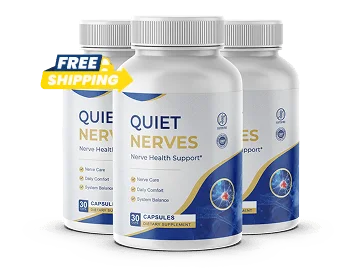
Quiet Nerves pairs alpha-lipoic acid with five other nerve-support ingredients in one daily capsule, backed by a 60-day money-back guarantee. See the current official-store pricing and the full refund terms before you commit to a testing window.
See Quiet Nerves Pricing & GuaranteeIs 600 mg or 1,200 mg of ALA better? Why more is not more
It is tempting to assume that if 600 mg helps, 1,200 mg helps twice as much. The research says otherwise. In trials that directly compared doses, 1,200 mg did not produce a meaningful additional improvement in symptom scores over 600 mg — but it did produce more side effects, nausea chief among them. You pay in stomach upset and get little back.
This is one of the cleaner "efficient dose" stories in the supplement world. Six hundred milligrams sits at the point where you capture most of the benefit for the least trouble. Doubling it moves you up the side-effect curve without moving up the benefit curve. So when a product boasts a mega-dose of alpha-lipoic acid, that is not a mark of quality — it is often a sign the formulator is chasing a bigger number on the label rather than a better result for you.
How Quiet Nerves fits an evidence-based routine
Quiet Nerves is a once-daily capsule that lists alpha-lipoic acid among six nerve-support ingredients, alongside magnesium glycinate, L-carnitine, turmeric extract, coenzyme Q10 and butcher's broom. The logic of a combination formula is reasonable: nerve comfort is not a one-molecule problem, and stacking several supported ingredients into a single capsule is genuinely more convenient than swallowing six separate pills.
The honest caveat, which we apply to every product we cover, is disclosure. The Quiet Nerves sales page does not publish a per-ingredient milligram breakdown, so you cannot confirm from the page alone whether its alpha-lipoic acid lands at the studied 600 mg or somewhere below it. That is not a reason to write the product off — convenience and a 60-day guarantee have real value, and the bottle you receive is required to carry a full Supplement Facts panel — but it is the exact question to ask. We walk through how we grade dose transparency across the category in our ranked guide to the best nerve health supplements for 2026, and how the B-vitamin actives fit in our explainer on vitamin B and neuropathy.
If you want the single-ingredient purist's route, a standalone 600 mg ALA capsule taken on an empty stomach is the textbook protocol. If you want convenience and a broader base of nerve-support actives with a money-back safety net, a combination formula like Quiet Nerves is the trade you are making — just go in having asked for the numbers.
Three myths about alpha-lipoic acid for nerves
Myth 1: "It should work in a few days." It should not, and if a product claims it does, that is a red flag rather than a feature. The trials put first symptom changes near five weeks and conduction changes months out. Judging ALA in a week is like judging a fitness program after one session.
Myth 2: "A higher dose is a stronger product." Covered above, but it bears repeating because the label game depends on you believing it. Six hundred milligrams is the studied, efficient dose. Twelve hundred mostly buys nausea. A big number is not a benefit.
Myth 3: "All alpha-lipoic acid is identical." There is nuance here. ALA exists as two mirror-image forms, R and S; the R-form is the one your body makes and the more biologically active, while most inexpensive supplements are a 50/50 racemic mix. Stabilised R-ALA is marketed as superior, though the human evidence gap over standard ALA is smaller than the price gap suggests. The more practical variable for most people is not R-versus-racemic but whether they took a real dose, consistently, on an empty stomach, for long enough. Get those three right and you have run a fair test.
Who should be cautious
ALA can lower blood sugar, which is helpful in principle and a reason for care in practice: if you take insulin or other glucose-lowering medication, adding ALA without telling your clinician can push blood sugar too low. People with thiamine (vitamin B1) deficiency, thyroid conditions, or who are pregnant or breastfeeding should also clear it with a professional first. This is standard, unglamorous supplement safety — but it is the part that actually protects you, and it is why "ask your doctor" is written on every honest page and not just for legal cover.
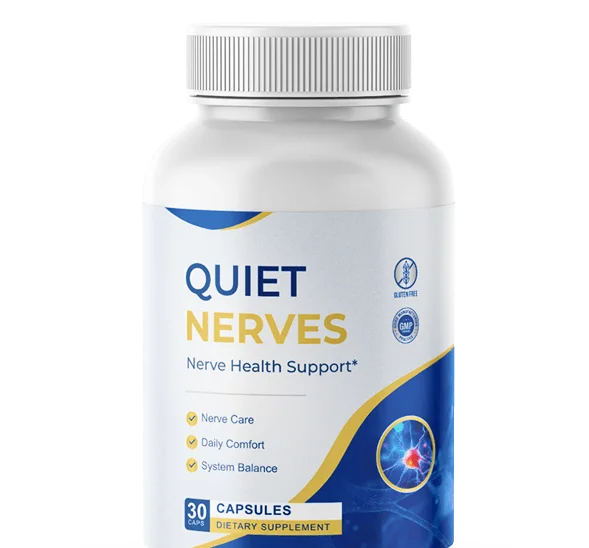
Alpha-lipoic acid, plus five more nerve-support actives
One capsule a day, 30 to a bottle, and a 60-day money-back guarantee so you can run the full testing window the research calls for. Check today's official-store pricing and refund terms.
Order Quiet Nerves From The Official StoreFrequently asked questions
How much alpha-lipoic acid should I take for neuropathy?
The dose used in most oral clinical trials is 600 mg a day. A common, gentler approach is to start at 300 mg for a week or two to check tolerance, then titrate up to 600 mg. Going above 600 mg has not reliably produced extra benefit in the research and tends to add side effects, so 600 mg is the figure most studies converge on. This is not a cure, and dosing should be confirmed with your own clinician, especially alongside diabetes medication.
How long does alpha-lipoic acid take to work for nerve symptoms?
In oral trials, symptom changes such as reduced burning, tingling or numbness scores typically begin to emerge around the five-week mark, not overnight. Measurable nerve-conduction changes, when they occur, take considerably longer — months rather than weeks. Consistency matters more than dose-stacking: taking a steady amount daily for a full quarter is the fair test.
Is 600 mg or 1,200 mg of ALA better?
The evidence favours 600 mg a day. In trials that compared doses, 1,200 mg did not deliver a meaningful additional improvement in symptom scores over 600 mg, and the higher dose was associated with more side effects such as nausea. More is not more here: 600 mg is the efficient dose, and pushing higher mostly buys stomach upset.
Should alpha-lipoic acid be taken with food or on an empty stomach?
Alpha-lipoic acid is generally better absorbed on an empty stomach — roughly 30 to 60 minutes before a meal — because food lowers its bioavailability. If it upsets your stomach that way, taking it with a small amount of food is a reasonable trade-off, accepting slightly reduced absorption for better tolerance.
References
- Ziegler D et al. Oral treatment with alpha-lipoic acid improves symptomatic diabetic polyneuropathy (the SYDNEY 2 trial). Diabetes Care, 2006 — source of the 600 mg/day oral figure and the 600-vs-1,200 mg comparison
- Han T et al. A systematic review and meta-analysis of alpha-lipoic acid in the treatment of diabetic peripheral neuropathy. Eur J Endocrinol
- NIH Office of Dietary Supplements — dietary supplement fact sheets
- Packer L, Witt EH, Tritschler HJ. Alpha-lipoic acid as a biological antioxidant. Free Radic Biol Med, 1995 — mechanism and antioxidant recycling
- Gleiter CH et al. Influence of food intake on the bioavailability of alpha-lipoic acid